
The Ultimate 7 Steps Guide to Indian Wedding Planning: Turning Traditions into Timeless Memories
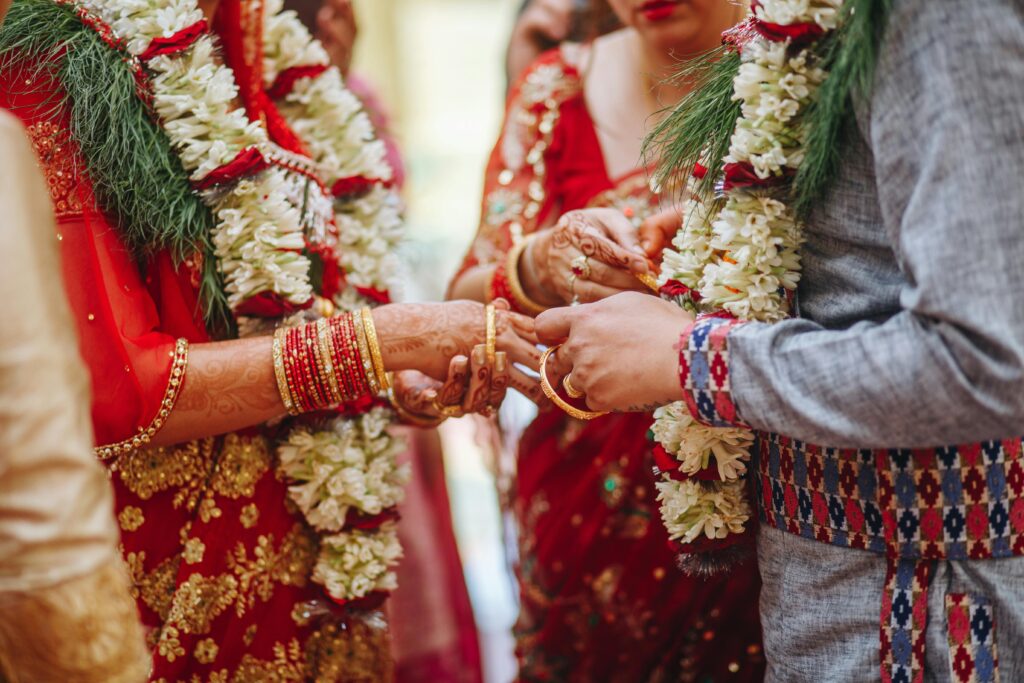
Indian weddings are a celebration of love, culture, and tradition. They are grand, vibrant, and filled with rituals that make them unique and memorable. However, planning such an elaborate event requires meticulous attention to detail. Here, we present a comprehensive 7-step guide to planning a stunning Indian wedding that honors traditions and creates unforgettable memories.
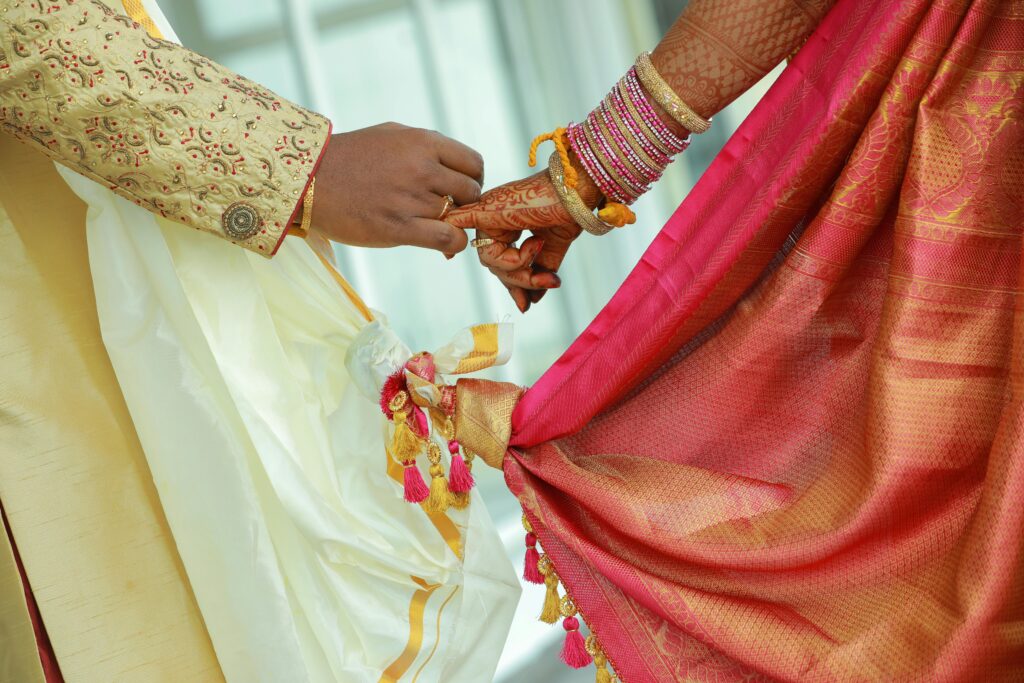
Step 1: Set the Budget and Vision
Indian weddings are known for their grandeur, often involving numerous ceremonies and elaborate preparations. To ensure a smooth wedding planning process, begin by:
Setting a Budget: Create a detailed budget that accounts for all major aspects of the wedding, such as venue, catering, decor, attire, and entertainment. Allocate funds to different ceremonies like Mehndi, Sangeet, Haldi, the wedding, and the reception. Remember to leave room for unexpected expenses. A well-structured budget serves as the foundation for your wedding planning, helping you prioritize and avoid overspending.
Visualizing Your Dream Wedding: Sit down with your partner and families to discuss the type of wedding you want. Whether it’s a traditional temple wedding, a lavish destination celebration, or a modern fusion of cultures, define your vision early. Explore ideas for themes, color palettes, and cultural elements to personalize the events. Creating a mood board with images of decor, attire, and venue ideas can also help bring your vision to life.
Fixing the Dates: Consult with your family pandit (priest) to determine auspicious wedding dates (muhurat). Ensure these dates align with family and vendor availability. Book venues and key services promptly to avoid last-minute challenges. It’s also important to consider the convenience of guests, especially if they are traveling from different locations.
Step 2: Book the Essentials
Booking essential services and vendors early is crucial to secure the best options:
Hiring a Wedding Planner: A wedding planner can be invaluable in coordinating the complexities of an Indian wedding. Professionals like Tathastu Event Planning & Management can bring expertise, creativity, and seamless execution to your big day, ensuring every detail aligns with your vision. A planner also acts as a bridge between you and vendors, saving you time and stress.
Securing Key Vendors:
Venues: Select venues for each event, such as banquet halls, gardens, or resorts. Consider the number of guests, accessibility, and ambiance. For destination weddings, ensure the venue offers accommodation for guests.
Caterers: Choose caterers experienced in Indian cuisine, capable of offering diverse dishes for different events. Include options for regional specialties to cater to varied tastes.
Photographers and Videographers: Opt for professionals adept at capturing candid moments, rituals, and the grandeur of Indian weddings. Arrange a pre-wedding photoshoot to build rapport with your photographer and get comfortable in front of the camera.
Entertainment: Arrange for DJs, live bands, or traditional performers like dhol players and folk dancers. Entertainment can set the tone for your events, so choose performers who can engage and energize your guests.
Decorators: Collaborate with decorators to design captivating setups, including floral arrangements, lighting, and stage designs. Discuss every detail, from entrance decor to table centerpieces, to ensure consistency.
Assembling the Wedding Party: Assign roles to close family and friends, such as bridesmaids, groomsmen, and event coordinators. Clearly communicate responsibilities to avoid confusion. Having a well-organized wedding party ensures smoother execution of plans.
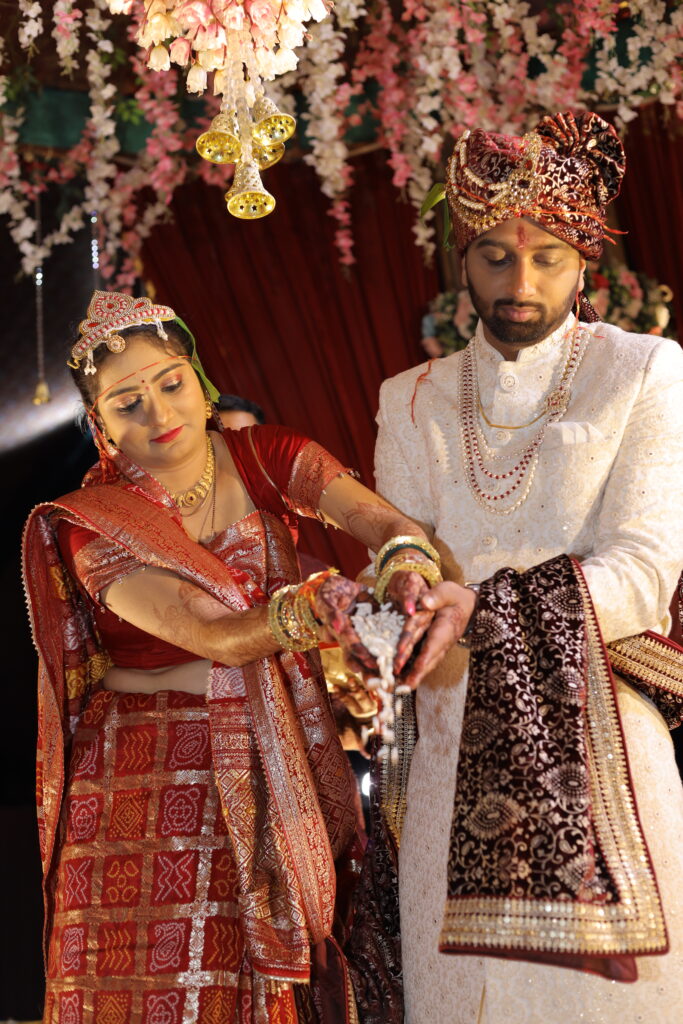
Step 3: Plan the Ceremonies
Indian weddings are characterized by multiple ceremonies, each with its significance. Plan these events meticulously:
Designing Invitations: Choose invitations that reflect the wedding theme, incorporating traditional motifs, vibrant colors, or elegant modern designs. Include all necessary details for the events and provide RSVP options. Consider digital invitations for eco-friendly and quick dissemination.
Curating Event Themes:
Mehndi: Create a lively, colorful atmosphere with ethnic decor and seating arrangements. Add elements like floral jewelry for the bride and vibrant backdrops for photo opportunities.
Sangeet: Plan a glitzy night with choreographed dances, professional lighting, and interactive elements. Incorporate fun games or a surprise performance to keep guests entertained.
Haldi: Opt for bright yellow decor with marigolds, turmeric bowls, and a relaxed, joyous vibe. Include traditional folk songs or a dhol player to elevate the festive spirit.
Wedding Ceremony: Focus on the mandap setup, seating arrangements, and rituals. Ensure the decor aligns with the chosen theme and traditions. Consider providing a booklet or a brief announcement explaining the rituals for guests unfamiliar with them.
Reception: Highlight elegance with refined decor, live music, and a gourmet dining experience. Personal touches like a photo wall or a signature cocktail can make the reception more memorable.
Planning Rituals: Collaborate with family elders and your pandit to incorporate meaningful rituals and traditions. Customize these practices to resonate with your personal beliefs and cultural heritage. Having a dedicated coordinator for rituals ensures they run on schedule.
Conclusion
Planning an Indian wedding is a journey of love, tradition, and celebration. By following this 7-step guide and enlisting professional help, you can create a wedding that reflects your unique story and cultural heritage.
For seamless planning and unforgettable memories, trust Tathastu Event Planning & Management to bring your dream wedding to life.