
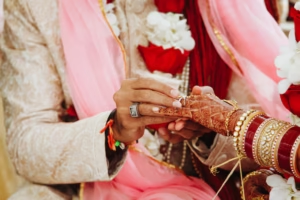
Planning a Traditional Maharashtrian Wedding is a joyous yet meticulous process, especially when it involves the rich traditions and customs of a Maharashtrian wedding. With its vibrant culture, unique rituals, and celebratory atmosphere, Traditional Maharashtrian Wedding Planning is an extraordinary experience. To make your big day unforgettable and ensure that all customs are honored, it’s essential to pay attention to every detail. Here, we delve deeper into the twelve essential tips for Traditional Maharashtrian Wedding Planning, offering insights and guidance to help you create lasting memories.
1. Choose an Auspicious Date
In Maharashtrian culture, selecting an auspicious date, or “Muhurat,” is paramount. The date sets the tone for a harmonious and blessed union. A family astrologer or priest is usually consulted to determine the perfect date based on the horoscopes of the bride and groom. The “Muhurat” considers celestial alignments to ensure the most favorable start to your married life.
It is important to finalize this date early so that other arrangements can align seamlessly. Popular wedding seasons often mean venues, caterers, and decorators get booked quickly, so an early decision ensures smoother Traditional Maharashtrian Wedding Planning.
2. Finalize the Venue Early
The venue is one of the most significant aspects of any wedding. For a Maharashtrian wedding, traditional venues like community halls, banquet spaces, temple premises, or even open wedding lawns are preferred. When selecting your venue, consider the scale of your event and the rituals that need to take place. Traditional Maharashtrian Wedding Planning often includes numerous pre-wedding and post-wedding ceremonies, so you’ll want a space that can accommodate them comfortably.
It’s also crucial to visit the venue beforehand and discuss specific requirements, like the arrangements for rituals such as Ganpati Poojan, Antarpat, or the Mangalsutra ceremony. Ensure that the venue has ample space for seating guests, a separate area for rituals, and facilities for serving food.
3. Incorporate Traditional Rituals
A Traditional Maharashtrian wedding is a blend of sacred rituals and joyful celebrations. Each ceremony has its own significance, and Traditional Maharashtrian Wedding Planning must include meticulous attention to these rituals to preserve their authenticity. Some of the key rituals include:
-
- Sakhar Puda: The formal engagement ceremony, symbolizing the sweet beginning of a new relationship.
-
- Halad Chadavane/ Ushti Halad: The haldi ceremony where turmeric paste is applied to the bride and groom for purification and good luck.
-
- Ganpati Poojan: Invoking the blessings of Lord Ganesha for a smooth and prosperous wedding.
-
- Simant Pujan-Wangnishchay: A ceremony performed to bless the couple and solidify the marriage proposal.
-
- Devdevak: Inviting the family deity to bless the couple.
-
- Gaurihar Pooja: Where the bride prays to Goddess Parvati for a happy married life.
-
- Sulagna: The ritual where the groom is welcomed with a ceremonial aarti.
-
- Karalyacha Vel: A ritualistic procession of the groom to the wedding venue.
-
- Madhuparka: A ceremony where the groom is welcomed with offerings of honey and yogurt.
-
- Kanyadan: The father of the bride gives his daughter’s hand in marriage to the groom.
-
- Laja Home: A ritual involving offerings of puffed rice into the sacred fire, symbolizing prosperity.
-
- Saptapadi: The couple takes seven steps together, making vows for their married life.
-
- Jhal and Amba Shimpane: Blessings from elders with rice and coconut water.
-
- Laxmi Pujan and Satyanarayan Pooja: Post-wedding rituals invoking blessings for the couple’s prosperous future.
Each of these rituals requires careful Traditional Maharashtrian Wedding Planning. Assign responsibilities to family members and ensure adequate time in your wedding itinerary for every ceremony.
4. Pick Authentic Attire
Traditional Maharashtrian wedding attire reflects the rich heritage of the region. The bride typically wears a stunning Paithani saree or Nauvari saree (a nine-yard saree draped uniquely) in vibrant colors like green, yellow, or magenta, often adorned with intricate zari work. Accessories like the Kolhapuri Saaz (a traditional necklace), green glass bangles, nath (nose ring), and crescent-shaped bindis complete the look.
The groom usually wears a silk dhoti-kurta or a sherwani with a traditional Pheta (turban) and sometimes a shawl. Ensure that the outfits are comfortable yet regal, as they will be worn for extended periods during the ceremonies. Traditional Maharashtrian Wedding Planning for attire should involve consulting designers specializing in traditional wedding attire and shopping well in advance to allow for customization.
5. Decorate with a Cultural Touch
The decoration at a Traditional Maharashtrian wedding should reflect its cultural richness and festive spirit. Use traditional elements such as marigold garlands, banana leaves, and rangoli designs. Vibrant shades of yellow and orange dominate the décor, as these colors signify purity and prosperity.
Key areas like the wedding mandap, entrance, and dining area should receive special attention. Incorporating traditional lamps (“samai”) and flower arrangements can add a divine aura to the event. Traditional Maharashtrian Wedding Planning for décor should align with the spiritual essence of the occasion.
6. Hire a Professional Wedding Planner
Weddings are elaborate affairs, and managing every detail can be overwhelming. Hiring a professional wedding planner, especially one experienced in Traditional Maharashtrian Wedding Planning, can ease your stress and ensure everything runs smoothly. At Tathastu Event Planning & Management, we specialize in understanding the unique requirements of each couple and delivering a flawless experience.
From coordinating with vendors to arranging rituals, decorations, and catering, a planner takes care of all aspects, allowing you and your family to enjoy the festivities without worry. They can also provide creative ideas for incorporating modern touches while preserving traditional elements.
7. Focus on Maharashtrian Cuisine
Food is the heart of any Indian wedding, and Traditional Maharashtrian weddings are no exception. The traditional Maharashtrian wedding feast, or “Peshvai Bhoj,” is a delightful spread of flavors and textures. Some must-have dishes include:
-
- Puran Poli: Sweet flatbread stuffed with Puran which is made with jaggery and Chickpea lentils.
-
- Amras Puri: A delicious mango pulp served with puris.
-
- Keshari Bhat: Saffron rice with a sweet twist.
-
- Shrikhand Puri: Creamy saffron-flavored yogurt served with puris.
-
- Veg Kolhapuri: A spicy mixed vegetable curry.
-
- Amti: A tangy lentil preparation.
-
- Saar: Spiced soup-like dish made with tamarind or tomatoes.
-
- Masale Bhat: Spiced rice dish.
-
- Suralichya Vadya: Gram flour rolls with a tangy seasoning.
-
- Thalipith: Multi-grain flatbread.
Serving food on banana leaves enhances the traditional experience. Maharashtrian Wedding Planning for the feast should ensure that your caterer specializes in authentic Maharashtrian cuisine.
8. Curate a Playlist of Folk and Devotional Songs
Music sets the mood for every celebration. Traditional Maharashtrian weddings are incomplete without a mix of traditional folk songs, devotional music, and lively beats. Maharashtrian Wedding Planning for music should include:
-
- Lavani and Tamasha songs for energetic dance performances.
-
- Devotional songs for rituals like Ganpati Poojan and Halad Chadavane/ Ushti Halad.
-
- Instrumental renditions featuring traditional instruments like the dholki, lezim, and shehnai.
You can also hire live performers or a folk band to create an engaging atmosphere that reflects Maharashtrian culture.
9. Plan Thoughtful Favors for Guests
Wedding favors are a wonderful way to express gratitude to your guests. In keeping with the Maharashtrian theme, consider gifting:
-
- Kolhapuri chappals or leather keychains.
-
- Handmade soaps infused with traditional Indian scents like sandalwood.
-
- Small idols of Lord Ganesha as blessings for your guests.
-
- Traditional spices or masala packs in eco-friendly packaging.
These thoughtful favors not only serve as keepsakes but also reflect the cultural essence of your wedding. Maharashtrian Wedding Planning for guest favors adds a personalized touch to the event.
10. Coordinate Pre- and Post-Wedding Events
Pre-wedding and post-wedding events are integral to a Maharashtrian wedding. Plan events like the Sakhar Puda (engagement), Mehndi, and Halad Chadavane (haldi ceremony) with equal enthusiasm. Incorporate significant rituals such as Simant Pujan-Wangnishchay, Devdevak, Gaurihar, Sulagna, Karalyacha Vel, and Madhuparka into your pre-wedding ceremonies.
Similarly, post-wedding events like Laja Home, Saptapadi, Jhal, Amba Shimpane, Laxmi Pujan, and Satyanarayan Pooja add a spiritual and cultural depth to the celebrations. Ensure that all these events are well-coordinated and flow seamlessly into one another. Maharashtrian Wedding Planning should include a detailed timeline or itinerary for your guests to keep them informed about each event.
11. Document the Celebration
Capturing the essence of your wedding through photography and videography is vital. Hire professionals who understand the significance of Maharashtrian rituals and can capture every moment beautifully. From candid shots during the Halad Chadavane to the emotional moments of the Antarpat ceremony, a skilled photographer can help you preserve these memories forever.
Consider creating a wedding album or a cinematic video that tells your unique story. Maharashtrian Wedding Planning for documentation should include pre-wedding shoots in traditional attire at iconic locations to add a personal touch.
12. Ensure Comfort for Guests
The comfort of your guests is paramount to a successful wedding. From providing clear directions to the venue to arranging transportation and accommodation, every detail matters. Include seating arrangements that allow guests to enjoy rituals comfortably and ensure there are ample refreshments throughout the events. Thoughtful Maharashtrian Wedding Planning ensures that your guests feel valued and enjoy the celebrations as much as you do.
Final Thoughts
A traditional Maharashtrian wedding is a celebration of love, culture, and family. By paying attention to every detail and ensuring each ritual is honored, you can create a wedding experience that is both meaningful and memorable. At Tathastu Event Planning & Management, we specialize in blending tradition with modern elegance, ensuring that your big day exceeds expectations.
Start your Maharashtrian Wedding Planning journey with Tathastu today – where we turn your dreams into reality, one detail at a time!